By – Archana Balasubramanian
A container clears the last leg of an intercontinental shipment and stops at a Western customs barrier. The Tier-1 Indian supplier met every delivery timeline and quality threshold. The problem sits one level below: a sub-tier vendor in a geopolitically restricted region supplied a critical chemical compound, because hitting the buyer’s aggressive target price required it. The buyer’s “Compliance with Laws” clause names the Indian supplier as liable. US Customs and Border Protection names the importer of record. Those are not the same party.
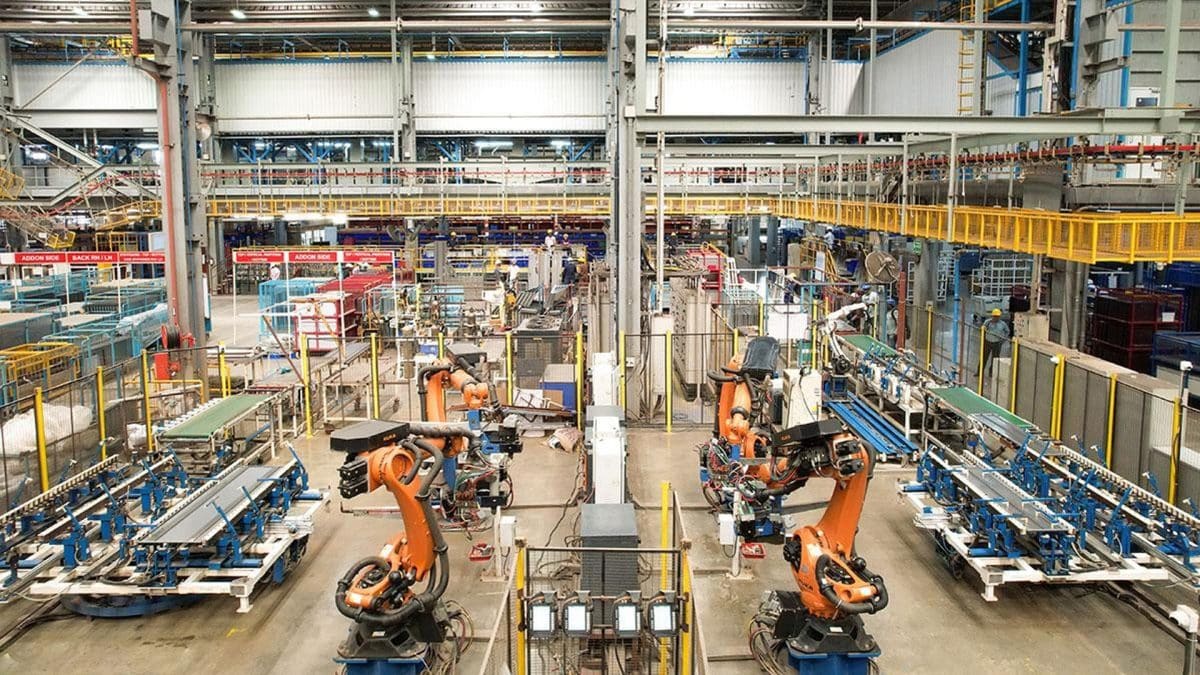
This risk is already playing out in real supply chains. As Apple prepares for a leadership transition from Tim Cook to John Ternus, India has shifted from being just a fast-growing market to becoming a critical manufacturing base in the global supply chain. iPhone production alone accounted for $23 billion of India’s $47 billion electronics exports by 2025. Apple is not the only company facing this situation. This is now the reality of cross-border manufacturing in India and it is the condition under which every risk described below now operates.
The Boilerplate That Cannot Survive a Sovereign Policy Clash
Most cross-border procurement contracts assume a straightforward commercial relationship between buyer and supplier. The contracts assume both parties are operating with the same commercial priorities. That assumption breaks down once India’s PLI scheme starts influencing sourcing decisions.
PLI benefits carry progressive Domestic Value Addition thresholds the Indian factory must meet annually to remain financially viable. The buyer’s contract demands absolute, unvetted veto rights over every sub-component to maintain Western provenance standards. The supplier’s government mandate demands locally sourced inputs to unlock its operating subsidy. NA standard ‘Compliance with Laws’ clause does not solve a situation where two different regulatory systems are pulling the same factory in opposite directions. The supplier is not necessarily acting dishonestly by changing the component source. It is often the predictable result of conflicting commercial and regulatory pressures.
When the dispute formally begins, the supplier’s lawyers may claim a possessory lien over the buyer’s molds and machinery, claiming these assets as collateral for unabsorbed capacity investments. The buyer discovers that its heavily negotiated IP ownership clause cannot prevent a local possessory lien from converting its machinery into a structural hostage.
The Audit Trail Stops at the Factory Gate
Most corporate compliance systems are designed around annual reviews and supplier self-reporting.. That approach may satisfy internal compliance teams..But it is often not enough for Western regulators conducting deep supply-chain audits.
EU sustainability auditors and US CBP investigators do not read paper certificates from Tier-1 suppliers. They extract raw shipping manifests, sub-vendor gate logs, and chemical batch-testing telemetry originating from Tier-2 and Tier-3 domestic suppliers. If the evidentiary trail stops at the primary factory’s intake dock, the entire inventory is flagged as non-compliant, regardless of how clean the Tier-1 facility appears on inspection.The compliance team created records showing diligence at the visible supplier level.. But regulators often investigate deeper into the supply chain than the company ever monitored.
Where Asset Sovereignty Disappears Before the Dispute Begins
The door closes in the 30-day window after the first customs hold or sub-tier red flag, when the company sends an aggressive breach notice before securing access to the factory and equipment.. That sequence is irreversible.
Moving heavy industrial assets across a Special Economic Zone perimeter requires an official Customs No-Objection Certificate, which requires the active signature of the local factory operator. Once a legal dispute is underway, the supplier refuses to sign, and local customs authorities freeze the equipment at the gate. Even if the contract clearly allows machinery recovery, the buyer still needs cooperation from the same supplier it has just threatened legally.. The option to pivot production does not vanish because the contract was weak. It vanishes because the physical means of production are legally trapped.
What Diligence Teams Find in the Record
The company believes it documented a good-faith effort to manage an unpredictable foreign vendor under commercial pressure. Forensic diligence teams read the same record as evidence of three specific failures.
They look first for a Bailment Register showing proprietary tooling was physically stamped, registered, and contractually insulated from local possessory liens. If the record shows standard POs and Letters of Credit treating the factory as a generic export vendor, the machinery is assessed as zero-valued for repatriation purposes. They look next for an Operational Escalation Protocol, a contractually mandated, time-bound on-the-ground resolution sequence that the buyer was required to exhaust before issuing any international arbitration notice. If the buyer bypassed that mechanism and issued arbitration threats directly, the reviewer flags the buyer as having sabotaged its own operational continuity.
What Companies Change After Going Through This
After facing these issues, companies usually stop relying on standard procurement templates and split their contracts into separate operational agreements.. The purchase of the final product governs one agreement. The proprietary tooling and industrial machinery govern a separate Asset Bailment Protocol, within which the supplier contractually waives any right to assert a possessory lien. The contract embeds pre-signed, escrow-held Customs No-Objection Certificates, allowing the buyer to submit asset-export clearances directly to port authorities without requiring the supplier’s real-time signature during a dispute.
The Asset Bailment Protocol further requires the supplier to execute, at contract signing, a CAD and CNC File Deposit Undertaking, a contractual obligation to lodge all proprietary tooling specifications into a third-party escrow, with release rights vesting exclusively in the buyer upon defined trigger events, including supplier insolvency, material breach, or regulatory seizure. The escrow mechanism, not physical asset recovery, becomes the buyer’s primary continuity right when the factory floor is legally inaccessible.
A permanent, bilingual provenance task force operates directly inside the manufacturing hub, capturing sub-tier transport logs and batch-testing telemetry weekly and building an audit-ready provenance ledger before any regulator requests it. The company no longer waits for a customs hold to discover whether its supply chain is clean. It already knows, because it built the record continuously from the ground up.


Leave a Reply