
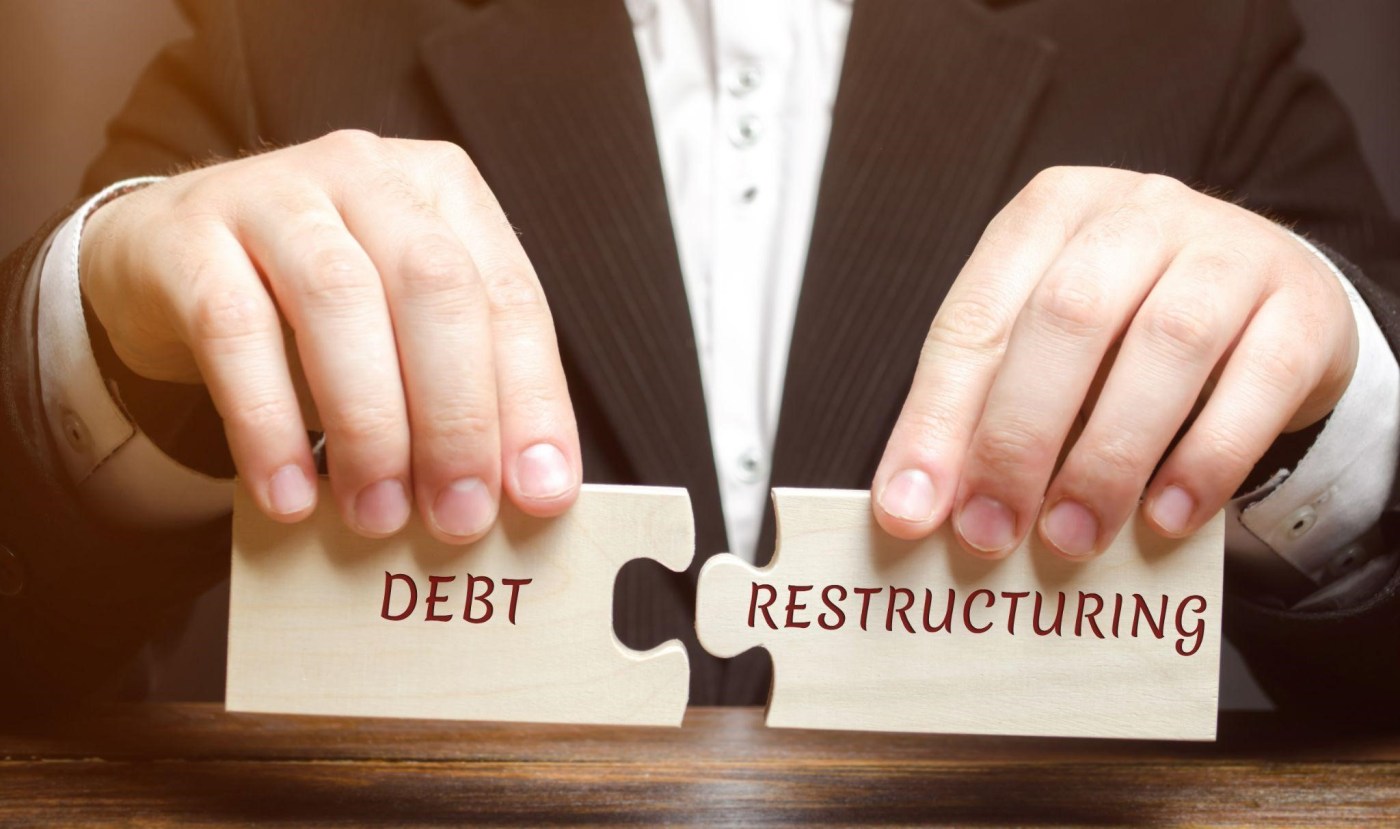
In today’s challenging economic landscape, debt restructuring is essential for companies facing financial distress. It involves renegotiating outstanding debt terms to relieve financial strain while protecting the interests of both creditors and shareholders. This article explores effective strategies for balancing these interests during corporate insolvency.
Understanding Debt Restructuring and Its Impact on Stakeholders
Debt restructuring is a process through which a financially distressed company renegotiates the terms of its outstanding debt with creditors. The objective is to provide relief to the company while ensuring that creditors recover a portion of their claims. This process can involve altering the payment schedule, reducing the amount owed, converting debt to equity, or extending the loan term. Creditors are often required to accept less favorable terms, such as lower interest rates or longer repayment periods. While this may reduce their immediate returns, the alternative—company liquidation—could lead to even greater losses. Shareholders may face dilution of their equity stake if debt is converted into equity, but restructuring can offer a chance for the company to recover, preserving some value. Without restructuring, shareholders risk losing their entire investment in liquidation.
Distinctions Between Restructuring, Refinancing, and Liquidation
Debt restructuring differs from refinancing and liquidation. While debt restructuring involves renegotiating existing debt terms to potentially lower obligations or adjust repayment terms to make them manageable, refinancing refers to obtaining new debt to pay off old debt, thus replacing it without reducing the total amount owed. Liquidation, on the other hand, is the last resort where the company’s assets are sold to repay creditors, often resulting in minimal returns for shareholders. Understanding these distinctions is critical for stakeholders involved in the restructuring process.
Key Legal Frameworks Governing Debt Restructuring in India
The Insolvency and Bankruptcy Code (IBC), 2016 serves as the primary legal framework for corporate debt restructuring in India. It provides a structured process for resolving insolvency, balancing the rights of creditors and shareholders. Key provisions include Section 29A, which restricts certain parties, such as defaulting promoters, from participating in the resolution process. Section 53 outlines the “Waterfall Mechanism” for repayment, prioritizing secured creditors and placing shareholders at the bottom of the hierarchy. Additionally, the SARFAESI Act, 2002 allows creditors to enforce security interests without court intervention in cases of default. The RBI’s Prudential Framework for Resolution of Stressed Assets offers guidelines for restructuring loans outside the IBC process, ensuring a comprehensive approach to debt resolution.
Potential Legal Conflicts and Resolutions
Shareholder resistance to dilution can create conflicts during the restructuring process. Legal mechanisms such as Section 230 of the Companies Act, 2013 allow for compromises between creditor and shareholder interests under court supervision. The IBC’s Waterfall Mechanism prioritizes creditors in debt recovery, but shareholders may challenge these priorities, especially in promoter-driven companies. Court-supervised restructuring can help resolve disputes, providing a framework to protect the interests of all parties involved while facilitating a successful restructuring.
Debt Restructuring Strategies for Corporate Insolvency
Common debt restructuring strategies include debt-to-equity conversions, where creditors are allowed to become shareholders, thereby reducing the company’s debt burden. Additionally, creditors may agree to haircuts, accepting lower amounts owed or extending repayment schedules to improve the company’s cash flow. Asset sales can also be an effective strategy, as companies may sell non-core assets to generate necessary cash flow. Mergers and acquisitions can provide synergies, enabling companies to reduce debt through cost savings while enhancing operational efficiency.
Negotiating Favorable Terms with Creditors
To negotiate favorable terms with creditors, businesses should prepare a robust restructuring plan that demonstrates future profitability and growth potential. Offering additional security or collateral for extended repayment terms can also enhance the negotiation position. Engaging creditors early in the restructuring process fosters trust and cooperation, which are essential for successful negotiations. Open communication and transparency about the company’s financial situation and recovery plans can further facilitate constructive dialogue with creditors.
Legal Tools for Successful Debt Restructuring
Several legal frameworks facilitate debt restructuring, with the IBC’s Corporate Insolvency Resolution Process (CIRP)allowing companies to restructure their debt under the supervision of the National Company Law Tribunal (NCLT). The Scheme of Arrangement (Section 230 of the Companies Act) enables court-approved restructuring arrangements, providing a structured approach to balancing the interests of creditors and shareholders.
Preserving Company Value Through Debt Restructuring
Restructuring helps preserve a company’s long-term value by avoiding liquidation, thus maintaining jobs, brand value, and operational capabilities. Strong corporate governance is essential, ensuring transparency in the restructuring process. Management should actively oversee the process and keep all stakeholders informed. Regular updates to creditors, shareholders, and employees help build trust during this challenging time, promoting a collaborative atmosphere that supports the successful implementation of restructuring strategies.

 COMMERCIAL LAW BLOG
Leave a comment